
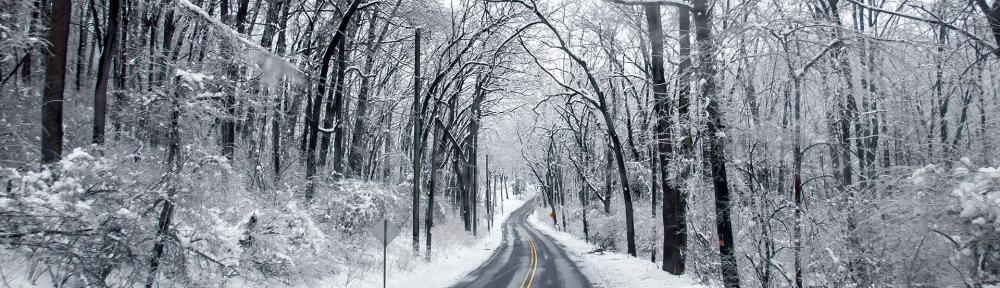
Winter brings fresh risks for business: time for a safety reset
Posted on December 4, 2025
I awoke to frosty ground the other day and realised winter had definitely arrived. The gritters are out, rail station staff are salting steps, ‘posties’ are no longer in shorts – and rightly so. Experience tells us that the colder months always bring their own set of challenges. Shorter days, icy conditions, and unpredictable weather can affect how we live, work, and move around. For businesses, particularly those in construction and facilities management, a winter safety reset is about recognising those changes and making practical adjustments that keep operations resilient, protect the workforce, and ensure projects continue without unnecessary disruption. It’s about taking sensible steps that reduce risks and give everyone confidence.
Practical measures that protect people and sites
Winter tests routines in ways that summer and autumn do not. The daylight fades earlier, meaning site work, deliveries, and travel that once felt straightforward can suddenly become more hazardous. Streets, yards, and scaffolding platforms that were easy to navigate become slippery with frost or ice. PPE and clothing need to adapt, with warmer layers, sturdy footwear, and reflective gear for those working outdoors or travelling in low light. Each of these changes may seem small, but together they shape the rhythm of the season and demand a fresh look at how we keep people safe on site and in transit.
Lighting and visibility are critical controls
Taking time now to review the working environment is simple but essential. Lighting is one of the most obvious areas to check. Site entrances, walkways, and communal areas should be well lit, not only to prevent accidents but also to help staff feel secure. A broken lamp or faulty sensor can make a big difference on a dark evening, so replacing them promptly is a practical step that shows care for those who use the space. Visibility matters in other ways too: reflective strips on PPE, highvisibility
jackets for outdoor workers, and clear signage all help reduce risks when daylight is scarce. These are effective measures which demonstrate foresight and professionalism.
Surface management prevents slips and falls
Surfaces are another priority. Frozen ground and icy patches are among the most common causes of slips and falls in winter. Clearing site walkways, gritting steps, and keeping access routes safe are tasks that require regular attention, not just a one-off effort. Leaves left over from autumn can freeze and become treacherous, so sweeping them away before temperatures drop is a preventative measure that pays off. Encouraging teams to take extra care when conditions change suddenly reinforces the message that safety is a shared responsibility. It is about creating a culture where people look out for one another and act before problems arise.
Heating and ventilation must be maintained
Heating and ventilation systems deserve careful thought as well. Cold weather puts extra strain on boilers, radiators, and air units, and a breakdown in midwinter can cause real disruption to offices, welfare facilities, and site cabins. Servicing equipment, checking filters, and ensuring good airflow are all part of keeping spaces warm without compromising health. Poor ventilation can lead to condensation and damp, which in turn create hazards of their own. Balancing warmth with air quality is not always easy, but it is essential for well-being and productivity.
Travel safety requires foresight and communication
Travel is another area where winter demands more preparation. Journeys that were routine in summer can take longer and require more caution. Allowing extra time, checking forecasts, and carrying emergency supplies in vehicles are sensible habits. For organisations that rely on transport, whether construction firms moving materials, logistics companies making deliveries, or contractors travelling between sites, planning ahead reduces stress and helps avoid accidents. Communication is key: letting people know about delays, changes, or risks ensures that expectations are managed and safety is prioritised. Winter journeys may be slower, but they do not have to be unsafe if we plan carefully.
Personal readiness underpins workplace safety
Dressing appropriately for the conditions, choosing footwear that grips on icy surfaces, and carrying essentials like gloves and torches are small but significant acts. They show respect for the season and help individuals feel prepared. Employers can reinforce these habits through toolbox talks, site briefings, and reminders that encourage people to think ahead. Winter can be demanding, but it does not have to mean discomfort or danger if we approach it with foresight. Preparedness is not about fear; it is about confidence.
Resilience through foresight and preparation
The wider message is one of resilience. Winter is part of the natural cycle, and while it brings challenges, it also offers opportunities to strengthen routines and support one another. A safety reset is about avoiding accidents and building confidence to ensure businesses continue to thrive even in difficult conditions. By reviewing practices, making small adjustments, and sharing responsibility, we create an environment where people feel secure and valued. That sense of collective care is what carries organisations through the season.
Safety investment pays dividends in the new year
Whatever the season safety should, of course, remain a priority, but it’s utterly vital in winter. The effort we put in now will carry us through into the new year with greater assurance. It is a collective investment in well-being and one that pays dividends in reduced risks, stronger teams, and uninterrupted operations. By acting now, we ensure that the colder months are not defined by difficulty, but by the strength and foresight of those who prepare.