
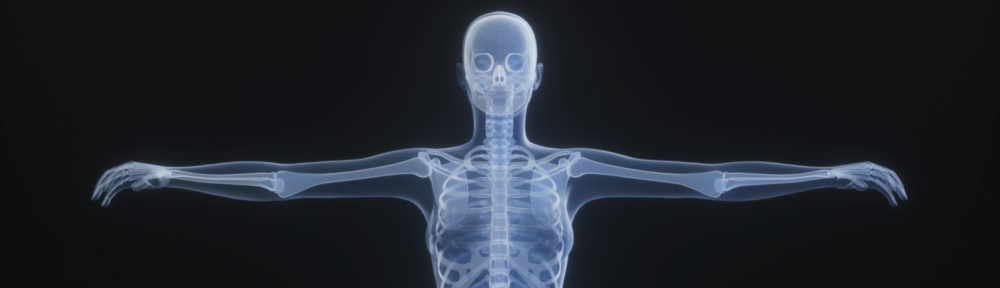
MSK: The hidden load your workforce is carrying
Posted on May 1, 2026
I was reading recently that 1.71 billion people worldwide live with a musculoskeletal (MSK) condition. That’s roughly one in five people on the planet. When you stop and think about it, that’s an astonishing figure.
It made me wonder what the picture looks like here in the UK. The answer is just as striking.
According to NHS England around 20 million people in the UK live with an MSK condition of some kind, roughly one in three adults. These numbers stopped me in my tracks, and they’re the reason I’m writing this blog.
MSK isn’t a niche medical issue and is actually something that affects almost every workplace in the country, whether employers realise it or not.
What is MSK?
MSK conditions cover a huge range of problems affecting:
- muscles
- joints
- tendons
- ligaments
- bones
- the spine
They include everything from back pain and repetitive strain injuries to arthritis and longterm mobility issues. Some develop suddenly – a pulled muscle, a slipped disc – while others build up slowly over months or years.
MSK problems cause discomfort but they also affect how people move, work, concentrate, and recover. Left unmanaged, they can become longterm conditions that limit someone’s ability to do their job safely.
The workplace connection
According to the latest UK data more than 500,000 workers suffer from a workrelated MSK disorder each year and MSK accounts for around a quarter of all workrelated ill health and is one of the leading causes of sickness absence in the UK.
In other words, MSK is everywhere, especially in environments where people lift, carry, bend, twist, sit for long periods, or repeat the same movements day after day. That covers a lot of industries.
Why employers should care
Beyond the obvious human impact, MSK has a very real effect on business performance.
Firstly Productivity. When people are in pain, they work more slowly, take longer to recover, and are more likely to need time off. MSK is one of the biggest contributors to lost working days in the UK.
Secondly, the wider economic cost of MSK runs into the billions each year through healthcare, lost output, and reduced participation in the workforce. It’s a drag on national productivity and, by extension, GDP. And finally, the legal and moral responsibility. Employers have a duty to manage workplace risks. MSK risk management is a core healthandsafety obligation, not an optional well-being addon.
What employers can do
The good news is that MSK risks are highly preventable when employers take them seriously. Some of the most effective measures are also the simplest:
1. Get the basics right
- Proper manual handling training
- Clear lifting techniques
- Using mechanical aids where appropriate
2. Improve workplace design
- Adjustable workstations
- Correct seating
- Tools and equipment that reduce strain
- Layouts that minimise awkward movements
3. Reduce repetition and static postures
- Rotate tasks
- Build in microbreaks
- Encourage movement rather than long periods of sitting or standing
4. Encourage early reporting
- People often ignore early signs of MSK problems. A culture where staff feel comfortable speaking up
can prevent a minor niggle becoming a longterm injury.
5. Review workloads and time pressure
- Rushing, overreaching, and cutting corners are common triggers for MSK injuries.
6. Keep training fresh
- Employers must keep MSK related training current because safe working behaviours fade or can lapse without regular reinforcement.
This is exactly where Courtley Health & Safety can support employers: practical assessments, training, and advice that reduce risk and improve day to day working conditions. We also offer 1/2-day Manual Handling Training (free to Members) to help keep employees up to date with current legislation and best practice.
With an ageing workforce, rising levels of chronic illness, and growing pressure on productivity, MSK is now one of the defining workplace health issues of our time.
If employers don’t get ahead of it, the human and financial costs will only grow. With the right approach, MSK risks can be managed, reduced, and in many cases prevented altogether. It’s one of the clearest examples of how good health and safety isn’t just compliance – it’s good business.
Contact us for more information, advice and support. By telephone: 0151 545 0497, or email: [email protected].