
Occupational Health Week is over, but the risks are still here
Posted on October 19, 2026
By Steve Wallace
Occupational Health Awareness Week took place from 21 to 27 September. The Institution of Occupational Safety and Health (IOSH) used the occasion to encourage organisations to place healthier work at the heart of business success.
That phrase, “healthier work”, caught my attention.
We regularly talk about keeping people safe at work. We inspect scaffolds, check machinery, investigate accidents and review risk assessments. These things matter because the consequences of getting them wrong can be immediate and obvious.
Occupational health risks are often different. They may not cause an accident today. The damage can develop quietly over months or years, sometimes without the person realising what is happening.
Perhaps that explains why occupational health still struggles to receive the same attention as safety.
Health and safety are not quite the same thing
Safety generally focuses on preventing accidents and injuries. Occupational health is concerned with preventing, identifying and managing illnesses and conditions caused or made worse by work.
IOSH highlights manual handling, hazardous substances, noise and vibration among the risks employers must address. Occupational health can also provide early intervention, rehabilitation and support to help people return to work following illness”.
The scale of the challenge is difficult to ignore.
According to the latest figures from the Health and Safety Executive (HSE), an estimated 1.9 million workers suffered from work-related ill health in 2024/25. Together, work-related ill health and workplace injuries resulted in 40.1 million lost working days. The estimated annual cost of injuries and new cases of ill health arising from current working conditions was £22.9 billion in 2023/24.
And according to the IOSH report, published toward the end of last year, Fixing Sick Britain, more than 2.8 million working-age adults are also economically inactive because of long-term sickness. Yet only around 45 per cent of UK workers have access to occupational health provision. Among small employers, that falls to just 18 per cent.
The risks hiding in plain sight
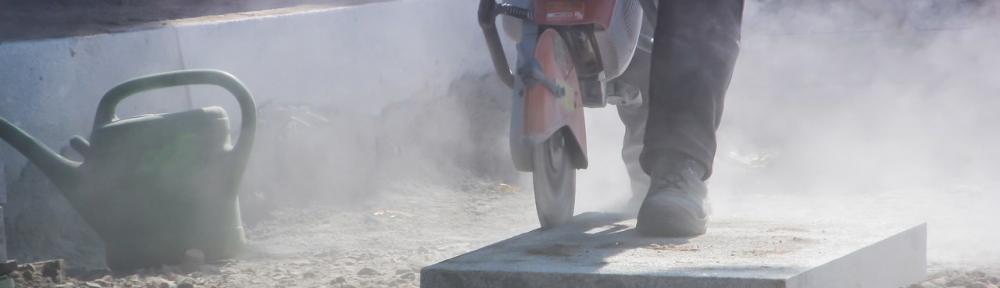
A worker using breakers, grinders or disc cutters may finish the day without an obvious injury.
However, repeated exposure to high noise levels can cause permanent hearing problems.
The same applies to vibration. Regular exposure from hand-held tools can cause hand-arm vibration syndrome and carpal tunnel syndrome. Tingling, numbness, loss of grip and painful fingers can eventually affect both work and everyday life.
Then there is dust. Construction carries the largest burden of occupational cancer among industrial sectors, accounting for more than 40 per cent of occupational cancer deaths and registrations. HSE estimates that previous construction exposures cause more than 5,000 occupational cancer cases and approximately 3,700 deaths annually. Asbestos is the largest cause, followed by silica.
These conditions do not begin with an ambulance arriving on site. There may be no dramatic incident, damaged equipment or immediate investigation. That makes the risks easier to overlook, but no less serious.
What should managers be checking?
The first question is whether occupational health risks receive the same attention as immediate safety hazards.
Are noise, vibration and hazardous substance exposures properly assessed? Are tools selected and maintained with workers’ health in mind? Are effective dust controls being used? Is suitable health surveillance provided where necessary? Do workers understand the early warning signs and feel able to report them?
Managers should also listen when workers mention ringing ears, numb fingers, persistent coughing or breathlessness. These symptoms should not be dismissed as simply “part of the job”.
Occupational Health Awareness Week has finished, but occupational health cannot be treated as a seven-day campaign.
Effective health and safety management means preventing the accident that might happen tomorrow and the illness that might otherwise emerge years from now.
Both deserve our attention throughout the year.